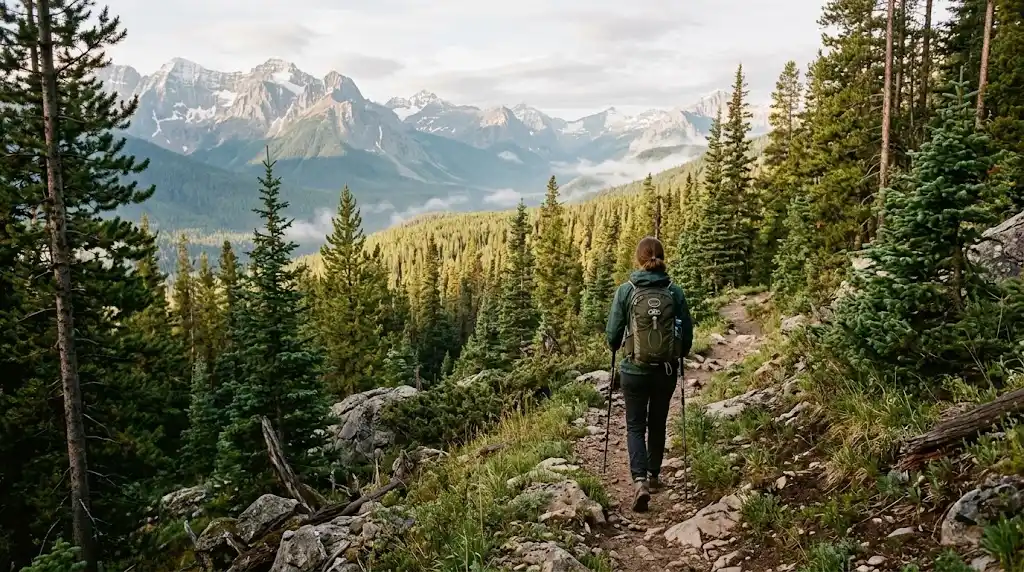
Into the Heart of the Wild
There is a special kind of freedom that comes from leaving the noise of everyday life behind and stepping into the natural world. Away from busy roads, crowded spaces, constant notifications, and familiar routines, the wilderness offers something increasingly rare: room to breathe, explore, observe, and simply be present.
Into the heart of the wild is an invitation to experience nature beyond the ordinary. It is about discovering landscapes shaped by wind, water, mountains, forests, rivers, deserts, and time. It is about the thrill of exploration, the quiet of untouched places, and the sense of renewal that can come from reconnecting with the earth.
For travelers and outdoor enthusiasts, wilderness adventures can take many forms. A journey might involve a demanding mountain hike, a peaceful forest walk, a remote camping trip, a scenic road journey, or simply spending a few hours somewhere far removed from the distractions of modern life.
What Makes the Wild So Captivating?
Nature has a way of changing our sense of scale. A towering mountain makes everyday problems feel smaller. A wide-open desert reveals how much space exists beyond the built environment. A dense forest encourages us to slow down and notice details that might otherwise go unnoticed.
The appeal of the wild is not limited to dramatic scenery. Sometimes its greatest attraction is silence. The sound of wind moving through trees, distant birds, flowing water, or waves reaching a shoreline can create an atmosphere that feels completely different from life in a city.
That combination of beauty, solitude, and discovery is what makes wilderness exploration so memorable.
Exploring America’s Wild Landscapes
The United States offers an extraordinary variety of natural environments for people who want to experience the outdoors. From alpine landscapes in the West to ancient forests in the Southeast and dramatic desert scenery in the Southwest, there are countless ways to experience nature.
Travelers looking for inspiration can explore destinations such as Mount Rainier National Park, where mountain scenery and alpine environments create an unforgettable setting for outdoor exploration.
Those drawn to dramatic rock formations and canyon landscapes can also consider Zion National Park. Its distinctive terrain demonstrates how geology and natural forces can create landscapes that feel almost otherworldly.
For a different experience, the forests and mountain landscapes of the Southeast provide a quieter form of wilderness. The Great Smoky Mountains offer opportunities to experience forest trails, mountain views, wildlife, and changing seasonal scenery.
In the Southwest, Joshua Tree National Park provides an entirely different visual experience. Desert vegetation, unusual rock formations, open skies, and dramatic light demonstrate just how diverse America’s wild spaces can be.
The Freedom of Leaving Civilization Behind
One of the most powerful aspects of wilderness travel is the temporary distance it creates from civilization. There may be no constant stream of messages, meetings, advertisements, or notifications. Instead, attention shifts toward the landscape in front of you.
This does not mean every wilderness experience needs to involve complete isolation. Even a short hike or day trip can provide a meaningful break from routine. What matters is the opportunity to become more aware of the environment and less focused on the digital world.
That feeling of freedom can make a simple outdoor journey feel much more significant than an ordinary vacation.
Adventure Comes in Many Forms
Wilderness adventure does not have a single definition. For one traveler, adventure might mean climbing a challenging trail. For another, it could mean camping beneath a clear night sky or photographing wildlife at sunrise.
Hiking and Trekking
Hiking is one of the simplest ways to enter the wild. Trails allow travelers to experience forests, mountains, deserts, coastlines, and other environments at a slower pace.
Longer treks can provide a deeper sense of immersion, but they also require more preparation. Distance, elevation, weather, terrain, water availability, and navigation should all be considered before setting out.
Camping in Nature
Camping extends the wilderness experience beyond daylight hours. Watching the landscape change at sunset, listening to nighttime sounds, and waking to natural surroundings can create memories that are difficult to reproduce in a conventional hotel stay.
Campers should always check local rules regarding designated campsites, fires, food storage, wildlife, waste disposal, and seasonal restrictions.
Wildlife Watching
Wildlife encounters can be among the most exciting parts of an outdoor journey. However, observing animals responsibly is essential. Wild animals should never be approached, chased, fed, or disturbed simply to obtain a closer photograph.
Keeping a respectful distance protects both visitors and wildlife while allowing animals to behave naturally.
Landscape Photography
The wilderness provides endless opportunities for photography. Changing weather, sunrise and sunset light, seasonal colors, mountains, forests, rivers, and desert formations can transform the same landscape throughout the day.
Photography can also encourage travelers to slow down and look more carefully at their surroundings. The best photograph is not always the most dramatic one; sometimes it is the image that captures the atmosphere of a place.
The Feeling of Discovery
Part of the magic of entering the wild comes from not knowing exactly what awaits around the next bend. A trail may reveal a waterfall, a mountain viewpoint, a hidden meadow, a quiet lake, or an unexpected wildlife encounter.
This sense of discovery is one reason wilderness travel remains appealing even to people who have visited outdoor destinations many times before. Nature is constantly changing. Weather moves across landscapes, seasons alter colors and vegetation, and light creates different moods throughout the day.
As a result, returning to the same natural area can still feel like discovering something new.
Preparing for a Wilderness Journey
Adventure is more enjoyable when it is supported by sensible preparation. Before visiting an unfamiliar natural area, travelers should understand the conditions they may encounter and make plans appropriate for the environment.
Research the Destination
Check trail conditions, weather forecasts, closures, permits, seasonal restrictions, road conditions, and available facilities before leaving. A route that looks simple on a map may be much more challenging in real conditions.
Travelers visiting national parks can review official park information before their trip, particularly when conditions may change because of weather, maintenance, seasonal access, or safety concerns.
Pack for the Environment
What you carry should depend on the destination and length of the trip. Basic outdoor supplies may include adequate water, food, navigation equipment, suitable clothing, sun protection, a first-aid kit, lighting, and emergency communication equipment.
Cold mountain environments require different preparation from hot desert landscapes. Understanding the destination is therefore just as important as choosing the equipment.
Know Your Limits
A wilderness experience should be challenging enough to be rewarding but not so demanding that preparation becomes an afterthought. Beginners can start with established trails and shorter outings before attempting remote or technically difficult routes.
Experienced travelers should also respect changing conditions. Fitness and experience do not eliminate the risks created by storms, extreme temperatures, injuries, navigation problems, or rapidly changing terrain.
Respecting the Natural World
Entering a wilderness area is also an opportunity to become a responsible visitor. The beauty of natural places depends on protecting them from unnecessary damage.
Visitors should avoid disturbing plants, animals, geological features, historical objects, and other natural or cultural resources. Taking photographs is encouraged, but taking pieces of the landscape home changes the place for everyone who visits afterward.
Simple habits such as staying on established trails, disposing of waste properly, controlling campfires where permitted, and respecting wildlife can significantly reduce a visitor’s impact.
Why Leave No Trace Matters
Responsible outdoor recreation is about more than picking up litter. It means considering how every decision affects the environment and other visitors.
- Plan ahead and prepare for the destination.
- Use durable trails and camping surfaces whenever possible.
- Carry waste out and dispose of it appropriately.
- Leave rocks, plants, artifacts, and other natural features where they belong.
- Minimize campfire impacts and follow local fire regulations.
- Observe wildlife from a safe and respectful distance.
- Respect other visitors and preserve the peaceful character of natural areas.
These principles help ensure that wilderness areas remain enjoyable and healthy for future generations.
Finding Renewal in Nature
The wilderness can offer something that goes beyond sightseeing. For many people, spending time outdoors creates an opportunity to slow down and reset.
A walk through a forest may encourage reflection. Sitting beside a lake can create a moment of stillness. Watching the sunset from a mountain ridge can provide perspective that is difficult to find during a busy week.
This feeling of renewal is one of the most enduring reasons people return to nature. The landscape does not need to entertain us constantly. Its value can come from simply being present within it.
How to Make Your Wilderness Experience More Meaningful
You do not need to travel thousands of miles or complete an extreme expedition to experience the benefits of the outdoors. A thoughtful approach can make even a short nature trip memorable.
Start by slowing down. Instead of focusing only on reaching the destination, pay attention to the journey. Notice changes in the weather, sounds in the trees, wildlife activity, patterns in rocks, and the way sunlight moves across the landscape.
Consider learning about the history, geology, plants, or wildlife of the area before visiting. Knowing what you are seeing can transform a simple landscape into a story.
Most importantly, allow yourself moments without a screen. Take photographs when you want to, but also put the camera away and experience the place directly.
Wilderness Travel Is About Connection
At its heart, wilderness exploration is not only about adventure. It is about connection.
It connects travelers with landscapes that existed long before modern cities and highways. It creates opportunities to observe wildlife in its natural environment. Also, it encourages people to appreciate forests, mountains, rivers, deserts, coastlines, and open spaces as valuable parts of the world.
That connection can also inspire a stronger commitment to conservation. When people experience a remarkable landscape firsthand, protecting it becomes personal rather than abstract.
Final Thoughts
Going into the heart of the wild does not require an extreme expedition. It can begin with a local trail, a weekend camping trip, a national park visit, or a quiet afternoon spent outside.
The real journey is about stepping away from the familiar long enough to notice the natural world again. The wild offers adventure, discovery, solitude, beauty, and a chance to reconnect with something larger than everyday routines.
Whether your next journey takes you through mountain country, a dense forest, a desert landscape, or along a remote coastline, approach it with curiosity and respect. Explore deeply, travel responsibly, and leave the landscape ready for the next person to discover.