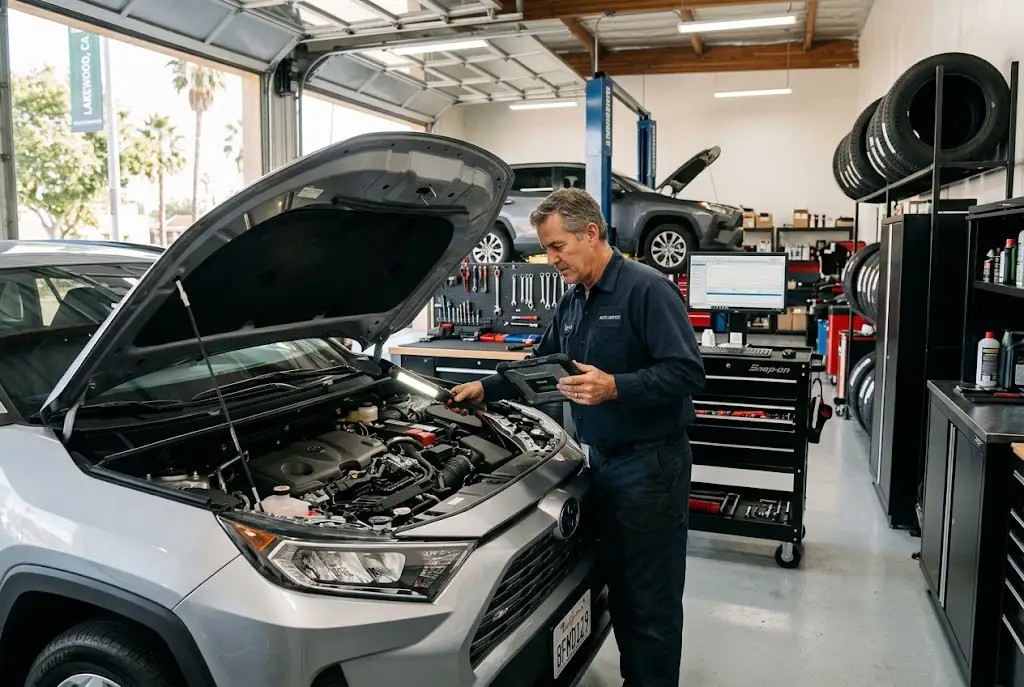
Rayes Auto Service: Expert Vehicle Care for Reliable Performance
Keeping a vehicle reliable requires more than waiting for a warning light or major breakdown. Regular maintenance, accurate diagnostics, timely repairs, and a knowledgeable automotive service provider can all play an important role in keeping a car performing safely and consistently.
Rayes Auto Service is an automotive repair business in Lakewood, California, serving drivers who need routine maintenance, diagnostics, repairs, and specialized vehicle care. The shop is particularly associated with work on domestic, European, and import vehicles, giving local drivers another option when their vehicle needs professional attention.
This guide explains what to consider when choosing an auto repair shop, the types of services associated with Rayes Auto Service, why diagnostics matter, and how regular vehicle care can contribute to more dependable performance.
About Rayes Auto Service
Rayes Auto Service is located on Centralia Street in Lakewood, California. Current public business listings identify the shop as an automotive repair facility offering maintenance and repair services for a range of vehicles.
The business has developed a local reputation around automotive knowledge, diagnostics, repair work, and customer service. Public reviews also mention experience with vehicles including BMW, Mercedes-Benz, Audi, Honda, Ford, and other makes.
Because automotive services, pricing, and business hours can change, vehicle owners should confirm current information directly with the shop before visiting.
Why Professional Vehicle Care Matters
A modern vehicle contains interconnected mechanical, electrical, computer-controlled, and safety systems. A problem that appears minor can sometimes indicate a larger issue that requires professional diagnosis.
Regular inspections and maintenance can help identify worn components before they become major problems. Professional service can also help vehicle owners understand what needs immediate attention and what may be appropriate to monitor during future maintenance.
Preventive Maintenance
Preventive maintenance is designed to keep essential systems operating according to the vehicle manufacturer’s recommendations. Depending on the vehicle, this can include oil and filter changes, brake inspections, tire checks, fluid services, battery checks, and other scheduled maintenance.
Following the recommended maintenance schedule can be particularly important for vehicles that are driven frequently, used for long commutes, or exposed to demanding driving conditions.
Early Problem Detection
Not every vehicle problem starts with a complete breakdown. Unusual sounds, fluid leaks, changes in handling, dashboard warning lights, reduced performance, or unusual vibrations can all be reasons to have a vehicle inspected.
Addressing a problem early does not guarantee that a major repair can be avoided, but it can give owners a better opportunity to understand the issue before it develops further.
Auto Diagnostics and Troubleshooting
Modern automotive diagnostics are an important part of professional repair. Vehicles rely on electronic control modules and sensors that can record fault information when a system detects an abnormal condition.
A diagnostic scan is only one part of the process. A warning code does not automatically identify the failed component. A qualified technician may need to combine diagnostic information with physical inspection, testing, measurements, and knowledge of the vehicle’s systems.
Check Engine Lights
A check engine light can have many causes, ranging from relatively simple issues to problems that require immediate attention.
Rather than replacing parts based solely on the warning light, proper diagnosis can help determine why the system registered the fault.
Electrical and Electronic Problems
Electrical issues can be difficult to diagnose because symptoms may appear in several unrelated areas. Battery problems, charging-system faults, wiring issues, sensors, modules, and other components can all affect vehicle operation.
Professional diagnostic equipment and systematic testing can help narrow down the source instead of relying on guesswork.
Oil Changes and Routine Service
Engine oil performs an important role in lubricating internal components and managing heat and contaminants. Over time, oil properties change and filters collect contaminants, which is why vehicles require regular oil service according to their specific maintenance schedules.
The appropriate service interval depends on the vehicle, engine, oil specification, driving conditions, and manufacturer’s recommendations.
Routine oil service can also provide an opportunity to look for other maintenance concerns. During a service visit, technicians may identify worn belts, fluid leaks, tire issues, brake wear, or other conditions that deserve attention.
Brake Inspection and Repair
Brakes are among the most important safety systems in any vehicle. Changes in brake performance should be taken seriously rather than ignored.
Potential warning signs include grinding, persistent squealing, unusual vibration, a soft or unusually firm pedal, pulling while braking, or a noticeable change in stopping behavior.
A professional inspection can determine the condition of brake pads, rotors, calipers, hydraulic components, and other related parts.
Tire and Wheel Care
Tires provide the contact between your vehicle and the road, making their condition important for traction, handling, braking, and stability.
Drivers should regularly check tire pressure according to the vehicle manufacturer’s recommendations and pay attention to tread wear, visible damage, uneven wear, and vibration.
Wheel alignment and suspension problems can sometimes contribute to uneven tire wear. If a vehicle pulls to one side or the steering wheel does not remain centered, professional inspection may help identify the underlying cause.
European and Import Vehicle Service
Some vehicles require specialized knowledge because their systems, components, diagnostic procedures, and maintenance requirements differ from those of other makes.
Rayes Auto Service is publicly described as working with European and import vehicles, including brands such as Mercedes-Benz, BMW, and Audi. This makes the shop relevant to owners who want a local repair facility familiar with vehicles beyond standard domestic models.
Owners of specialized or newer vehicles should still confirm that the shop has the appropriate equipment, parts availability, and experience for the specific repair before authorizing significant work.
Air Conditioning and Cooling-System Problems
Vehicle air conditioning can become less effective for several reasons, including refrigerant issues, leaks, compressor problems, electrical faults, or problems with other components.
A proper diagnosis is important because adding refrigerant without identifying an underlying leak or mechanical issue may not resolve the problem for long.
Cooling-system problems can be even more important because engine overheating can cause serious damage. If the temperature gauge rises into an unsafe range or the vehicle shows signs of severe overheating, stop driving when it is safe to do so and seek professional assistance.
Engine and Mechanical Repairs
Mechanical repairs can range from relatively straightforward component replacement to complex engine-related work. The correct approach depends on the vehicle, symptoms, diagnostic findings, and condition of the affected components.
A good repair process begins with understanding the problem rather than immediately replacing parts. Vehicle owners should feel comfortable asking what was diagnosed, which component is affected, and why the proposed repair is necessary.
Water Pump and Cooling Components
Cooling-system components such as water pumps play an important role in maintaining engine temperature. A failing component can lead to coolant loss or overheating.
Because overheating can cause significant engine damage, symptoms such as coolant leaks, abnormal temperature readings, or repeated overheating should receive prompt attention.
Suspension and Drivetrain Issues
Suspension and drivetrain problems can affect ride quality, handling, acceleration, and overall driving behavior. Clunks, vibrations, unusual noises, or changes in vehicle stability can justify an inspection.
Diagnosing these problems accurately is important because several components can produce similar symptoms.
How to Know When Your Vehicle Needs Service
Some maintenance needs are scheduled, while others become apparent through changes in the way the vehicle operates.
- Dashboard warning lights appear.
- The engine develops unusual noises or vibrations.
- The vehicle struggles to start.
- Braking feels different from normal.
- The vehicle pulls while driving or braking.
- Tires show unusual or uneven wear.
- The air conditioner stops cooling effectively.
- The engine begins overheating.
- Fuel economy changes significantly without an obvious reason.
- Fluid spots appear underneath the vehicle.
Not every symptom means a serious repair is required, but unexplained changes are worth investigating rather than assuming they will disappear on their own.
Choosing an Auto Repair Shop
Finding a repair shop is not simply about choosing the lowest price. Vehicle owners should consider diagnostic ability, communication, experience, service quality, convenience, and the shop’s familiarity with their type of vehicle.
Look for Clear Communication
A technician should be able to explain the diagnosed problem in understandable terms. Ask questions if you do not understand why a repair is being recommended.
Ask for an Estimate
Before approving major work, ask for an estimate that clearly explains the expected parts and labor. If additional problems are discovered after work begins, ask about them before authorizing additional repairs whenever possible.
Understand Parts and Warranty Terms
Different repairs may involve original-equipment, aftermarket, or other replacement components. Ask what type of part will be used and whether the repair includes a warranty.
Consider the Long-Term Relationship
An auto repair shop can become more valuable when it understands the maintenance history of your vehicle. Keeping records of previous services can help technicians and vehicle owners make better decisions over time.
How to Prepare for an Auto Repair Appointment
Good preparation can make a diagnostic or repair appointment more productive.
- Describe the symptoms: Explain exactly what you noticed and when it happens.
- Mention warning lights: Tell the technician which dashboard warnings appeared.
- Share recent repairs: Previous work may be relevant to the current issue.
- Provide maintenance records: Service history can help establish what has already been replaced.
- Explain driving conditions: Mention frequent short trips, long commutes, towing, or other demanding use.
- Ask questions: Make sure you understand the diagnosis and recommended next steps.
Reliable Vehicle Performance Starts With Consistency
Vehicle reliability is rarely created by one repair. It usually develops from consistent maintenance, timely diagnosis, appropriate repairs, and responsible driving habits.
Following the manufacturer’s service recommendations, checking warning signs, maintaining proper tire pressure, and addressing unusual symptoms can all contribute to a better-maintained vehicle.
For readers exploring other automotive service providers on HorizonNote, our guide to Kentucky Auto Service & Towing provides another look at repair and towing services.
You can also compare this topic with our article on Robin’s Auto Service, which covers another automotive-care provider and the importance of professional vehicle maintenance.
What Customers Should Expect From Professional Auto Care
Professional auto care should begin with a clear understanding of the vehicle’s condition and the customer’s concerns. The goal is not simply to replace parts but to identify the underlying problem and determine the appropriate repair.
Public reviews for Rayes Auto Service frequently mention knowledgeable staff, communication, diagnostic work, and fair pricing, although reviews also include some negative experiences. Customer reviews represent individual experiences rather than guarantees, so prospective customers should consider them alongside current business information and their own interaction with the shop.
This balanced approach is useful when evaluating any local repair facility. A shop that is a good fit for one driver may not necessarily be the right choice for every vehicle or repair situation.
When a Repair Should Not Be Delayed
Some vehicle problems should receive prompt attention because continuing to drive may increase the risk of damage or create a safety concern.
Severe overheating, brake failure, significant steering problems, major fluid leaks, serious engine noises, or substantial collision damage can all justify stopping the vehicle and seeking professional assistance rather than attempting to continue driving.
When the vehicle cannot be operated safely, arranging towing may be a better option than attempting to reach a repair shop under its own power.
Final Thoughts
Rayes Auto Service provides local automotive repair and maintenance services in Lakewood, California, with publicly listed experience across domestic, import, and European vehicles. Its service profile includes diagnostics, maintenance, mechanical repairs, and specialized automotive work.
The most important part of reliable vehicle ownership is not waiting for a major failure before seeking professional care. Regular maintenance, attention to warning signs, accurate diagnostics, and timely repairs can help keep a vehicle dependable over the long term.
Whether your vehicle needs routine maintenance, troubleshooting, or a more complex repair, choose a service provider that communicates clearly, understands your vehicle, and can explain the work being recommended. Consistent professional care can make vehicle ownership more predictable and help you stay focused on the road ahead.