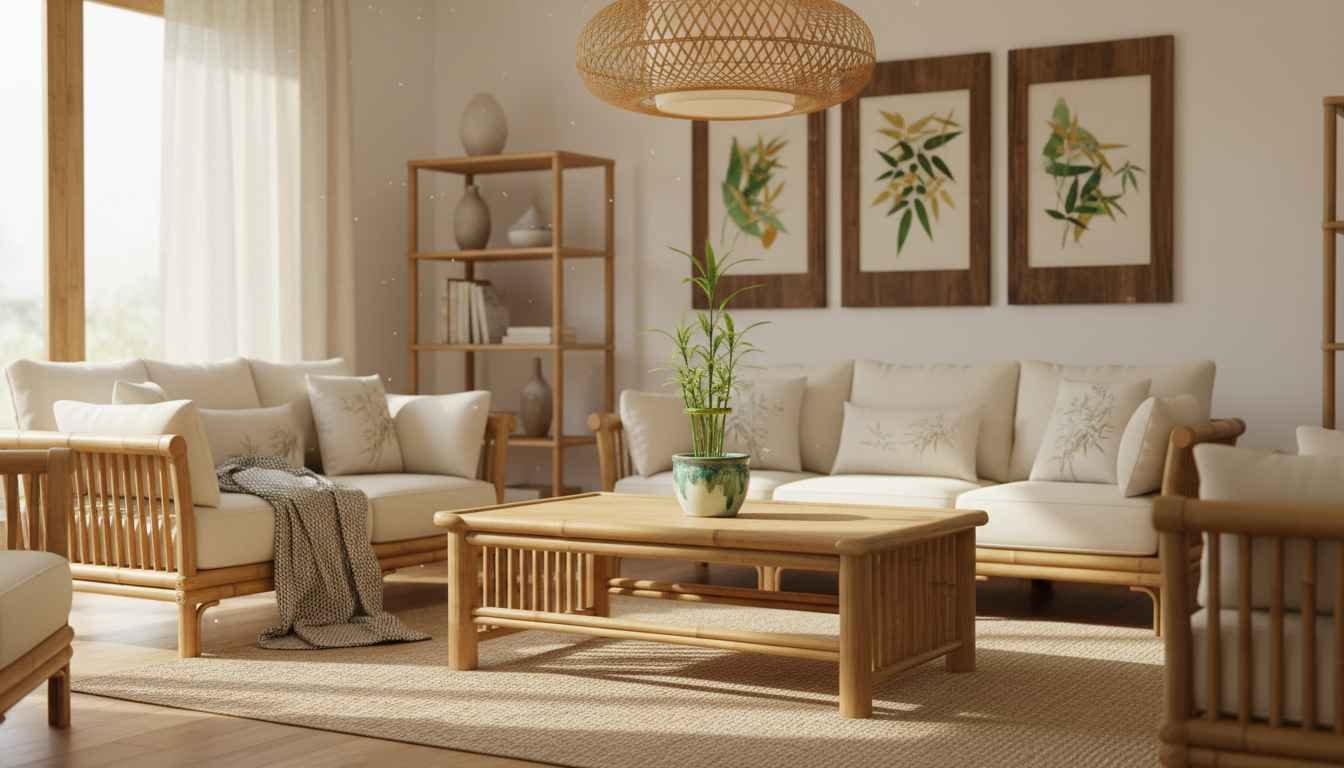
Keep it simple, stupid. That phrase might just apply to bamboo home decoration. Everywhere you turn, interiors are being flooded with bamboo furniture, lighting, and décor accents. But before you rush to swap out your oak coffee table for a bamboo one, let’s scrutinize whether this trend truly holds up under the weight of style, sustainability, and practicality.
Bamboo is celebrated for being lightweight, eco-friendly, and visually striking. Its rapid growth cycle makes it a renewable resource, and many designers hail it as a sustainable alternative to traditional hardwoods. But is it really the panacea for home décor dilemmas, or is it just another Instagram-fueled fad? mitzi.com offers an array of bamboo-inspired lighting that proves functionality and elegance can coexist – but is that enough to justify an entire room makeover?
Quiz: How Bamboo-Ready Is Your Home?
1. Do you prioritize sustainability in your home décor choices?
Yes: Bamboo scores highly here. Its fast growth and low environmental impact make it appealing to eco-conscious homeowners.
No: Then bamboo might feel like an unnecessary compromise, especially if durability is more critical than eco-friendliness.
2. How much wear and tear does your furniture endure?
Light: Bamboo can handle gentle usage beautifully, maintaining its natural luster over time.
Heavy: High-traffic areas or households with pets and kids may challenge bamboo’s durability, leading to dents, scratches, or warping.
3. Do you prefer a natural or eclectic aesthetic?
Natural: Bamboo thrives here, complementing neutral palettes and organic textures.
When it comes to creating a living space that resonates with personal style and rich traditions, few themes are as compelling as that of the University of Alabama. This institution not only boasts a storied athletic legacy but also inspires a unique approach to home decor that reflects its vibrant spirit. Whether you’re an alum, a current student, or simply a fan of the Crimson Tide, investing in university of alabama home decor can elevate your home while celebrating the pride that comes with being part of such a prestigious community. In this article, we will explore various ways to incorporate this theme into your living spaces, ensuring that your home is as stylish as it is meaningful.
In recent years, the trend of incorporating natural materials into home decor has gained significant momentum, with bamboo emerging as a standout choice. Known for its sustainability and aesthetic appeal, bamboo offers a unique blend of style and eco-friendliness that resonates with environmentally conscious consumers. As homeowners seek to create spaces that reflect their values, the allure of bamboo home decoration becomes increasingly apparent. This article delves into the reasons behind the growing fascination with bamboo, exploring its versatility, cultural significance, and practical applications in modern interior design. Join us as we take a closer look at the hype surrounding this remarkable material.
Eclectic: Its minimalist vibe may clash with bold patterns, heavy metals, or highly ornate furniture.
4. Are you prepared to maintain your bamboo items?
Yes: Regular dusting, occasional polishing, and avoiding direct sunlight can keep bamboo pieces looking fresh.
No: Neglect can cause fading, cracking, or mildew in humid environments, undermining the “low-maintenance” appeal often marketed.
Bamboo Lighting vs. Bamboo Furniture: A Quick Comparison
| Feature | Bamboo Lighting | Bamboo Furniture |
|---|---|---|
| Durability | Moderate – Usually lasts long if kept indoors and dry | Varies – Susceptible to scratches, warping, and heavy loads |
| Visual Impact | High – Adds a sculptural, airy aesthetic to any space | High – Offers a natural, minimalist look but can dominate a room |
| Maintenance | Low – Dusting and occasional polishing | Moderate – Needs protection from moisture and heavy use |
| Eco-Friendliness | High – Renewable and biodegradable | High – Renewable, but processing can involve chemicals in some finishes |
| Cost | Moderate – Often affordable and scalable | Variable – Can be cheaper than hardwood but less durable, impacting long-term value |
Expert Opinion
According to Dr. Lina Mendoza, a sustainability-focused interior designer, “Bamboo can be an excellent choice for environmentally conscious homes, but it is not universally superior. Consider usage patterns and environmental conditions before committing to large-scale bamboo décor.”
Potential Drawbacks
Despite its eco-friendly reputation, bamboo home decoration comes with caveats. It is prone to damage from excessive moisture, direct sunlight, and heavy wear. Some bamboo furniture is laminated with glues or finishes that reduce its sustainability. Additionally, bamboo’s natural aesthetic may not blend seamlessly with every interior style, particularly ornate or heavily industrial spaces.
Who Should Avoid This?
If your home sees high activity, has pets or small children, or suffers from fluctuating humidity, bamboo furniture might not be practical. Those who prioritize durability over sustainability should consider alternatives like engineered hardwoods or high-quality metal finishes. Similarly, if your style leans toward maximalist, gothic, or industrial themes, bamboo décor might feel out of place rather than transformative.
Conclusion: Bamboo – Trend, Timeless, or Trouble?
Bamboo home decoration has undeniable charm. It can infuse spaces with warmth, natural texture, and sustainable appeal. Yet it is not a one-size-fits-all solution. Homeowners must weigh aesthetics against maintenance demands, environmental conditions, and lifestyle. Carefully curated bamboo accents – especially lighting – can elevate a room without committing to wholesale replacements. The key is moderation: integrate bamboo where it complements your space rather than dominates it.
In short, bamboo is neither miracle nor mirage. Scrutinize each piece, understand its limitations, and leverage its strengths. Your home will thank you.