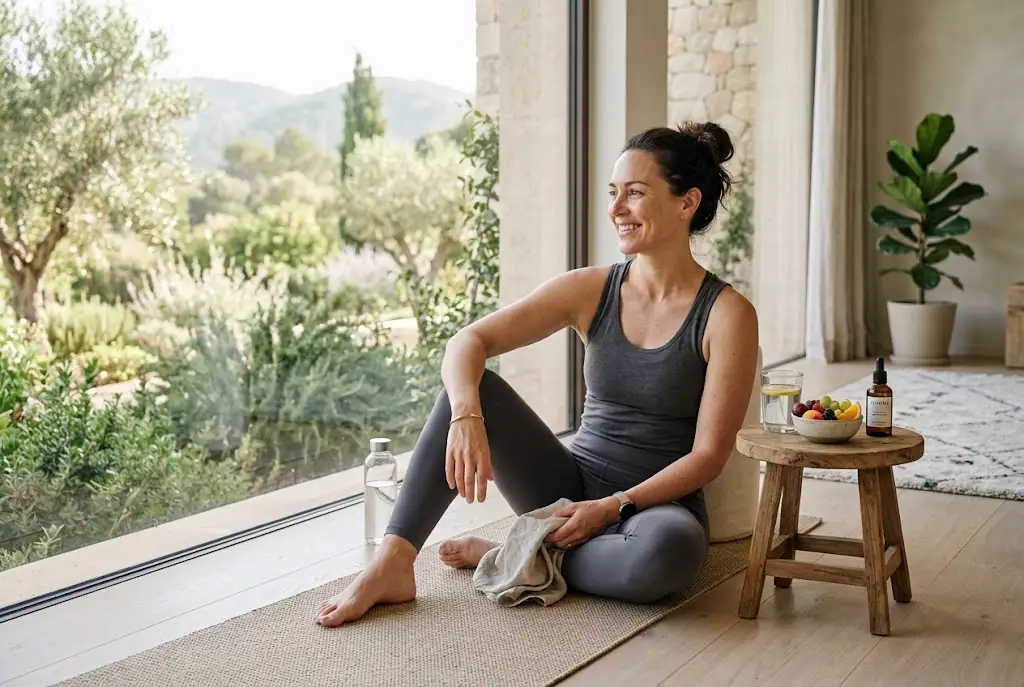
Elevate Mind Body Beauty: Unlock Your Ultimate Wellness Potential Today!
True wellness is about more than appearance. It is the connection between how you think, how you care for your body, how you move, how you rest, and how you feel in your own skin. When these areas work together, beauty becomes less about chasing perfection and more about creating a lifestyle that supports energy, confidence, balance, and long-term well-being.
The idea of elevating mind, body, and beauty brings these elements together through practical habits such as mindful routines, balanced nutrition, regular movement, quality sleep, thoughtful skincare, stress management, and meaningful social connections.
This guide explores how to build a realistic wellness routine that supports both inner well-being and outward confidence without relying on extreme routines or unrealistic promises.
What Does Mind, Body, and Beauty Wellness Really Mean?
Mind-body-beauty wellness is a holistic approach to self-care. Instead of treating mental well-being, physical health, and appearance as completely separate areas, it recognizes that they often influence one another.
For example, regular physical activity can support energy, sleep, and mood, while adequate rest can make it easier to maintain healthy routines. Likewise, consistent skincare and sun protection can help support the health and appearance of the skin.
The goal is not to create a complicated schedule filled with dozens of products or activities. A sustainable wellness routine should fit naturally into your lifestyle.
Start With a Healthier Mind
Mental well-being is an important foundation for any sustainable self-care routine. When your mind is constantly overwhelmed, even simple healthy habits can feel difficult to maintain.
Practice Mindfulness
Mindfulness involves paying attention to the present moment rather than constantly moving between worries about the past and future. It can be practiced through quiet breathing, meditation, mindful walking, journaling, or simply taking a few minutes away from distractions.
Research summarized by the National Center for Complementary and Integrative Health suggests that mindfulness and meditation may help with stress and can support sleep and emotional well-being for some people.
A practical approach is to begin with a few quiet minutes rather than attempting an ambitious meditation routine immediately.
Create Space for Reflection
Journaling can be another useful tool for organizing thoughts. Writing down priorities, concerns, accomplishments, or plans can help turn vague mental clutter into something easier to understand.
You can also create a simple evening reflection by asking three questions: What went well today? What challenged me? What do I want to approach differently tomorrow?
Protect Your Mental Energy
Wellness also involves recognizing when your schedule has become unnecessarily demanding. Constant notifications, excessive commitments, and a lack of downtime can make it harder to maintain healthy habits.
Creating boundaries around work, social media, and personal time can make your daily routine feel more manageable.
Nourish Your Body With Intention
Your body needs consistent nourishment to support everyday activity. Instead of focusing on restrictive diets or short-term transformations, build meals around a variety of nutrient-dense foods that fit your individual needs and preferences.
A balanced eating pattern can include vegetables and fruits, whole grains, protein-rich foods, healthy fats, and adequate fluids. The exact combination will vary from person to person.
Think About Overall Balance
No single food determines your overall wellness. A sustainable approach focuses on patterns over time rather than treating individual meals as successes or failures.
Planning simple meals, keeping nutritious options available, and eating mindfully can make healthy choices easier without turning food into a source of unnecessary stress.
Stay Hydrated
Hydration is another basic part of everyday wellness. Individual fluid needs vary based on factors such as activity, climate, diet, and health status, so listen to your body’s needs and follow professional guidance when you have specific medical requirements.
Make Movement Part of Your Lifestyle
Exercise does not have to mean spending hours in a gym. Walking, cycling, swimming, dancing, yoga, strength training, recreational sports, and other activities can all contribute to a more active lifestyle.
The CDC notes that regular physical activity can provide immediate and long-term health benefits, including benefits related to sleep, brain health, heart health, bones, and mood.
For readers interested in physical performance and recovery, our guide to sports physical therapy and recovery offers another perspective on movement and physical function.
Choose Activities You Enjoy
The best exercise routine is one you can realistically maintain. If you dislike a particular workout, forcing yourself to repeat it every day may make consistency harder.
Experiment with different forms of movement until you find activities that feel rewarding. A brisk walk with music, a morning mobility session, or a strength workout a few times a week can all become valuable parts of a sustainable routine.
Combine Strength, Mobility, and Cardio
A balanced fitness routine can include different types of movement rather than relying on a single activity. Strength work supports muscular fitness, mobility exercises help you move comfortably, and aerobic activities challenge your cardiovascular system.
Your ideal balance depends on your age, fitness level, goals, schedule, and any health considerations you may have.
Build a Skincare Routine That Makes Sense
Beauty is not simply about using more products. A good skincare routine should focus on consistency and the basic needs of your skin.
For readers interested in age-conscious skincare, our natural skincare guide for mature skin explores practical considerations for building a thoughtful routine.
Keep the Basics Consistent
Many skincare routines can be organized around a few fundamental steps: cleansing appropriately, moisturizing when needed, and protecting exposed skin from ultraviolet radiation.
The American Academy of Dermatology recommends choosing a broad-spectrum, water-resistant sunscreen with SPF 30 or higher for sun protection. Sunscreen should be used as part of a broader sun-protection strategy that can also include shade and protective clothing.
Understand Your Skin
Skin differs from person to person. Age, climate, genetics, medications, sensitivity, and existing skin conditions can all influence which products are appropriate.
Instead of copying another person’s routine exactly, pay attention to how your skin responds and seek professional dermatological advice when persistent or concerning skin problems develop.
Beauty Is About More Than Products
Healthy-looking skin is influenced by many lifestyle factors. Sleep, nutrition, hydration, stress, environmental exposure, and sun protection all form part of the bigger picture.
You can also explore our Liora Beauty guide for another beauty-focused perspective within the HorizonNote library.
Sleep: The Foundation of Recovery
It is difficult to maintain a balanced wellness routine when your body is consistently deprived of quality sleep. Sleep supports normal physical and mental functioning and plays an important role in recovery.
The CDC recommends that most adults get at least seven hours of sleep per night, although individual needs can vary.
Create a Consistent Sleep Schedule
Going to bed and waking up at approximately the same times each day can help create a more consistent sleep routine.
A relaxing bedroom environment can also help. Keep the room comfortable and quiet, reduce unnecessary distractions, and consider limiting electronic devices before bedtime.
Make Evening Recovery a Ritual
Instead of treating bedtime as the moment when you suddenly stop working, create a transition period. Dim the lights, put away unnecessary screens, read something relaxing, stretch gently, or practice slow breathing.
The objective is to give your mind and body a clear signal that the active part of the day is ending.
Manage Stress Before It Manages You
Stress is a normal response to challenges, but persistent stress can affect many areas of daily life. Building healthy ways to respond to pressure is therefore an important part of holistic wellness.
The National Center for Complementary and Integrative Health notes that relaxation and mindfulness practices may help some people manage stress.
Try Simple Breathing Exercises
Slow, controlled breathing can be incorporated into short breaks during the day. Rather than treating it as a complicated technique, simply pause, relax your shoulders, and take several comfortable, deliberate breaths.
Spend Time Outdoors
A walk outdoors can combine movement, a change of environment, and time away from screens. Even a short walk can become a useful transition between work and personal time.
If you enjoy nature-based experiences, our article on exploring the heart of the wild offers additional inspiration for reconnecting with natural surroundings.
Know When to Seek Support
Self-care is not a replacement for professional help. If stress, anxiety, low mood, sleep problems, or other concerns are persistent or interfere significantly with everyday life, speaking with an appropriately qualified healthcare professional can be an important step.
Make Your Home Support Your Wellness Goals
Your environment can influence how easy it feels to maintain healthy routines. A cluttered or uncomfortable space may create unnecessary friction, while a well-organized environment can make everyday habits easier.
Simple changes can include creating a dedicated space for exercise, keeping healthy foods visible and accessible, reducing bedroom distractions, and organizing skincare or self-care products so they are easy to use consistently.
Our guide to minimalist living explores how a more intentional environment can support a simpler lifestyle.
Community Makes Wellness More Sustainable
Wellness does not have to be a completely individual journey. Supportive relationships can provide encouragement, accountability, companionship, and perspective.
You might exercise with a friend, join a walking group, attend a fitness class, participate in a community activity, or simply share your goals with someone you trust.
For broader health-related reading, HorizonNote also covers family health and wellness and health and wellness solutions.
Personalize Your Wellness Routine
There is no universal wellness schedule that works perfectly for everyone. A routine that works for a busy professional may not suit a parent, student, shift worker, or retiree.
Start by identifying the areas that need the most attention. If you regularly sleep too little, improving your evening routine may be more valuable than adding another workout. If you spend most of the day sitting, increasing daily movement may be the best starting point. If stress dominates your schedule, creating short periods of quiet may make the greatest difference.
Small improvements become easier to maintain when they fit your actual life.
A Simple Mind-Body-Beauty Daily Routine
You can bring the principles together with a simple routine rather than attempting to transform everything overnight.
- Morning: Drink water, get some natural light, and begin the day with a few minutes of movement or mindful breathing.
- Breakfast: Choose a balanced meal that provides nourishment and supports your day’s activities.
- Daytime: Break up long periods of sitting with movement and take short mental breaks when possible.
- Skincare: Follow a consistent basic routine and protect exposed skin from the sun.
- Evening: Reduce unnecessary stimulation, reflect on the day, and transition toward rest.
- Night: Maintain a consistent sleep schedule and create a comfortable environment for recovery.
Common Wellness Mistakes to Avoid
Creating a healthier lifestyle does not require perfection. In fact, unrealistic expectations can make consistency harder.
Trying Everything at Once
Adding a new diet, intense workout plan, extensive skincare routine, meditation practice, and strict sleep schedule simultaneously can quickly become overwhelming.
Start with one or two meaningful changes and build from there.
Chasing Quick Results
Wellness is generally a long-term process rather than a transformation that happens overnight. Be cautious of programs or products that promise dramatic results without explaining realistic limitations.
Comparing Your Routine With Others
Social media often presents highly curated versions of wellness and beauty. Your routine does not need to look like someone else’s routine to be effective or worthwhile.
Focus on habits that support your own goals, circumstances, preferences, and needs.
When Professional Guidance Makes Sense
General wellness information can help you develop healthier habits, but individualized professional advice can be valuable when you have specific concerns.
A registered dietitian can provide personalized nutrition guidance. A qualified fitness professional can help structure exercise around appropriate goals. A dermatologist can assess persistent skin concerns, and a healthcare professional can help address medical symptoms or ongoing health issues.
Our broader coverage of behavioral health and mental wellness can also provide another starting point for readers exploring the connection between mental and overall well-being.
The Real Meaning of Beauty and Wellness
Beauty does not need to be separated from health and well-being. When you sleep well, move regularly, nourish your body, manage stress, care for your skin, and maintain meaningful relationships, the benefits can extend far beyond appearance.
The most sustainable form of beauty is often the result of consistent care rather than constant correction.
Final Thoughts
Elevating mind, body, and beauty is not about pursuing an impossible standard. It is about creating a balanced lifestyle in which mental clarity, physical vitality, restorative sleep, healthy movement, thoughtful nutrition, and personal care support one another.
Start small. Choose habits that fit your life, give yourself time to adapt, and focus on consistency rather than perfection. Over time, those small choices can create a stronger foundation for feeling energized, confident, balanced, and comfortable in your own skin.
True wellness is not a destination. It is an ongoing practice of caring for yourself from the inside out.