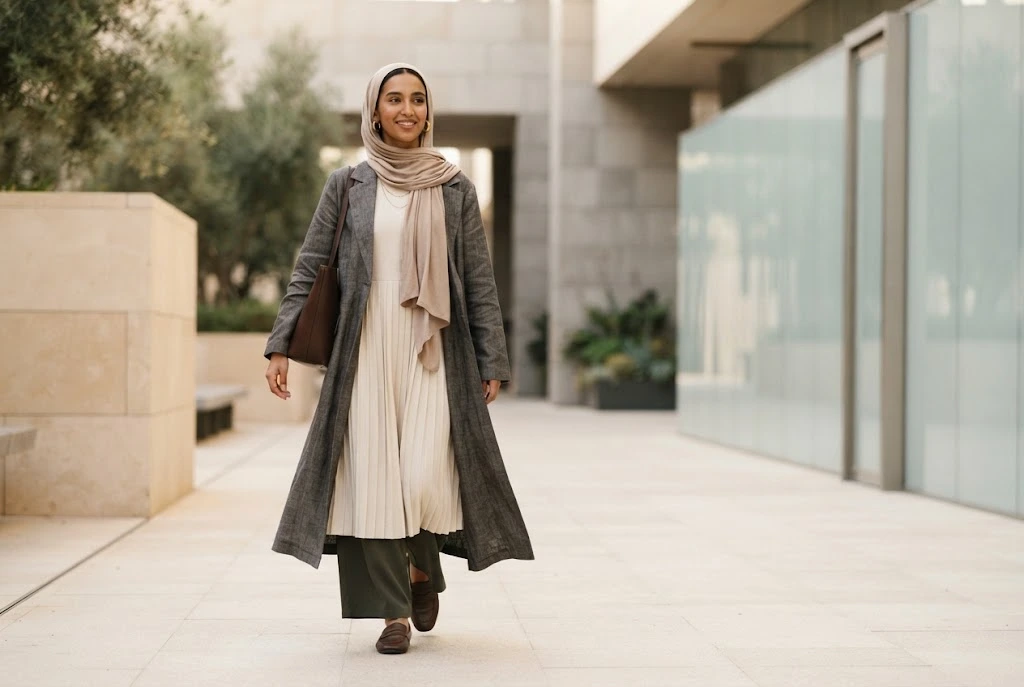
For many people, fashion is about more than following seasonal trends. Clothing can reflect personal values, cultural background, comfort, and identity. That is one reason modest fashion continues to develop across different communities and markets. Modern Muslim fashion, in particular, includes a wide range of styles, from traditional garments to contemporary everyday clothing.
What Is Ummah Fashion?
Ummah fashion can be understood as clothing inspired by Muslim identity, modesty, cultural traditions, and a sense of community while remaining open to contemporary design. The term does not describe one specific outfit or aesthetic. Instead, it can include different interpretations of modest clothing depending on a person’s culture, location, lifestyle, and personal preferences.
Traditional garments such as abayas, thobes, hijabs, kurtas, shalwar kameez, long dresses, and loose-fitting separates can all form part of this broader fashion conversation. Modern styling may introduce different fabrics, colors, cuts, layering techniques, and accessories while retaining a modest overall appearance.
Why Traditional and Modern Fashion Work Together
Fashion evolves by adapting existing ideas. Traditional clothing often provides the foundation through recognizable silhouettes, patterns, fabrics, and cultural details. Contemporary design can then reinterpret those elements for modern lifestyles.
This combination can make traditional-inspired clothing easier to wear in everyday settings. A classic garment may be paired with contemporary footwear, a structured bag, a modern jacket, or understated accessories. Similarly, a modern outfit can incorporate traditional embroidery, regional patterns, or familiar silhouettes without looking overly formal.
The result is not necessarily a replacement for traditional clothing. Instead, it creates another way to wear and interpret familiar styles.
Key Elements of Modern Ummah Fashion
Modest Silhouettes
Modesty is an important part of many Muslim fashion choices, but modest clothing can take many forms. Loose dresses, longer tops, wide-leg trousers, flowing skirts, layered outfits, and full-length outerwear can all be styled in contemporary ways.
The most useful approach is to choose silhouettes that provide comfort and coverage while still allowing personal style to show through.
Traditional Details
Traditional elements can give an outfit character. Embroidery, textured fabrics, decorative stitching, regional patterns, and culturally familiar cuts can connect contemporary clothing with heritage.
These details do not always need to dominate an outfit. A subtle embroidered panel, patterned scarf, traditional neckline, or distinctive fabric can provide a cultural reference while keeping the overall appearance clean and modern.
Contemporary Colors
Color is one of the easiest ways to modernize traditional clothing. Neutral shades such as cream, beige, charcoal, brown, navy, and black can create a minimalist wardrobe, while richer colors can add personality.
Instead of relying on one fixed color palette, modern modest dressing allows individuals to experiment with combinations that suit their complexion, environment, occasion, and personal taste.
Layering
Layering is particularly useful for modest wardrobes because it combines practicality with visual interest. A long outer layer can be worn over a simple base outfit, while a lightweight shirt, cardigan, blazer, or overshirt can change the appearance of an outfit without requiring an entirely new wardrobe.
Layering also makes traditional-inspired pieces more adaptable across different seasons and settings.
Ummah Fashion for Everyday Wear
One of the strengths of modern modest fashion is its flexibility. Clothing does not have to be reserved for religious occasions or formal events. Many traditional-inspired pieces can be incorporated into everyday wardrobes.
- Loose shirts can be paired with wide-leg trousers or long skirts.
- Long dresses can be styled with simple accessories for daily use.
- Traditional tunics can work with contemporary trousers or denim.
- Lightweight outer layers can add coverage without making an outfit feel heavy.
- Scarves can provide both practical coverage and a finishing style element.
The goal is to create combinations that feel natural for the person’s routine rather than building an outfit around trends alone.
Modern Muslim Fashion for Special Occasions
Traditional influences can become more prominent when dressing for weddings, Eid celebrations, family gatherings, cultural events, and other occasions. Embroidery, luxurious textures, flowing fabrics, coordinated accessories, and more structured tailoring can create a polished appearance.
At the same time, contemporary cuts can prevent formal clothing from feeling dated. A traditional outfit can be tailored with cleaner lines, while a modern dress can incorporate heritage-inspired detailing.
When choosing occasion wear, comfort remains important. Clothing that looks impressive but restricts movement or feels unsuitable for the event may not be practical. A balanced outfit considers appearance, coverage, fabric, fit, and the setting together.
How to Build a Modern Modest Wardrobe
A practical wardrobe does not need dozens of trend-driven pieces. Start with versatile foundations that can be styled in several ways.
- Choose dependable basics: Build around comfortable tops, trousers, skirts, dresses, and layering pieces that work together.
- Add traditional accents: Introduce embroidery, patterns, scarves, or culturally inspired garments gradually.
- Prioritize fabric: Consider breathability, weight, opacity, texture, and seasonal comfort when selecting clothing.
- Use accessories thoughtfully: Shoes, bags, watches, scarves, and jewelry can change the character of a simple outfit.
- Keep versatility in mind: Select pieces that can move between casual, professional, and social settings when appropriate.
A carefully planned wardrobe also makes it easier to combine traditional pieces with modern fashion. For additional style inspiration, readers can explore affordable Italian fashion brands and consider how contemporary tailoring and styling ideas can be adapted to a modest wardrobe.
Fashion, Culture, and Personal Identity
Clothing can communicate aspects of identity without requiring a person to explain them verbally. For Muslim communities, fashion may intersect with faith, culture, family traditions, national identity, and life in multicultural environments.
That does not mean everyone within the Muslim community dresses in the same way. Muslim fashion is diverse because Muslim communities themselves are diverse. A person’s clothing may reflect South Asian, Arab, African, Southeast Asian, Western, or another cultural influence alongside personal preferences.
This diversity is an important part of modern Ummah fashion. The concept can accommodate different traditions rather than requiring one universal appearance.
How to Keep Traditional-Inspired Fashion Contemporary
Modern styling is often about balance rather than completely changing a traditional garment. A few practical choices can make an outfit feel current:
- Choose clean and well-proportioned silhouettes.
- Combine one statement traditional piece with simpler basics.
- Use accessories that complement rather than overpower the outfit.
- Experiment with neutral and contemporary color combinations.
- Consider tailoring when the garment needs a more structured appearance.
- Avoid adding too many competing patterns or decorative elements.
These principles can also help when exploring other fashion categories. For example, a discussion of Marie Fashion and contemporary style can provide another perspective on how fashion brands use design details to create a recognizable aesthetic.
Shopping for Modest and Traditional-Inspired Clothing
When shopping for Ummah-inspired clothing, look beyond the appearance of a garment. Fabric quality, stitching, fit, transparency, comfort, care requirements, and sizing can have a major effect on how useful a piece becomes.
It is also worth considering how a new item will work with clothing already in the wardrobe. A versatile garment that can be worn with several existing pieces may provide more practical value than a highly distinctive item that only works for one occasion.
For shoppers interested in broader fashion deals and seasonal wardrobes, related topics such as Cato Fashions clearance can also offer useful ideas for evaluating clothing purchases based on versatility and personal style.
Frequently Asked Questions About Ummah Fashion
What does Ummah fashion mean?
Ummah fashion generally refers to clothing and styling influenced by Muslim identity, modesty, cultural traditions, and contemporary fashion. It is a broad concept rather than one fixed style.
Is Ummah fashion only traditional clothing?
No. It can include traditional garments as well as modern clothing designed or styled around modesty, cultural identity, and contemporary aesthetics.
Can modest fashion be modern?
Yes. Modern modest fashion can use contemporary cuts, colors, fabrics, layering, accessories, and styling while maintaining the level of coverage preferred by the wearer.
How can I make traditional clothing look more contemporary?
Try pairing traditional pieces with simple modern basics, contemporary footwear, understated accessories, and clean layering. Tailoring and balanced proportions can also create a more current appearance.
Does Muslim fashion have one universal style?
No. Muslim fashion varies significantly across cultures and regions. Traditional clothing and contemporary modest styles can look very different depending on local heritage and individual preferences.
Conclusion
Ummah fashion shows how clothing can connect tradition with contemporary life without reducing either one to a trend. Modern modest dressing can draw from cultural heritage while using current silhouettes, colors, fabrics, and styling techniques.
The most meaningful approach is personal and practical: choose clothing that fits the occasion, feels comfortable, reflects individual preferences, and respects the values that matter to the wearer. In that sense, modern Ummah fashion is less about following one definition of style and more about creating space for tradition, identity, modesty, and contemporary expression to coexist.