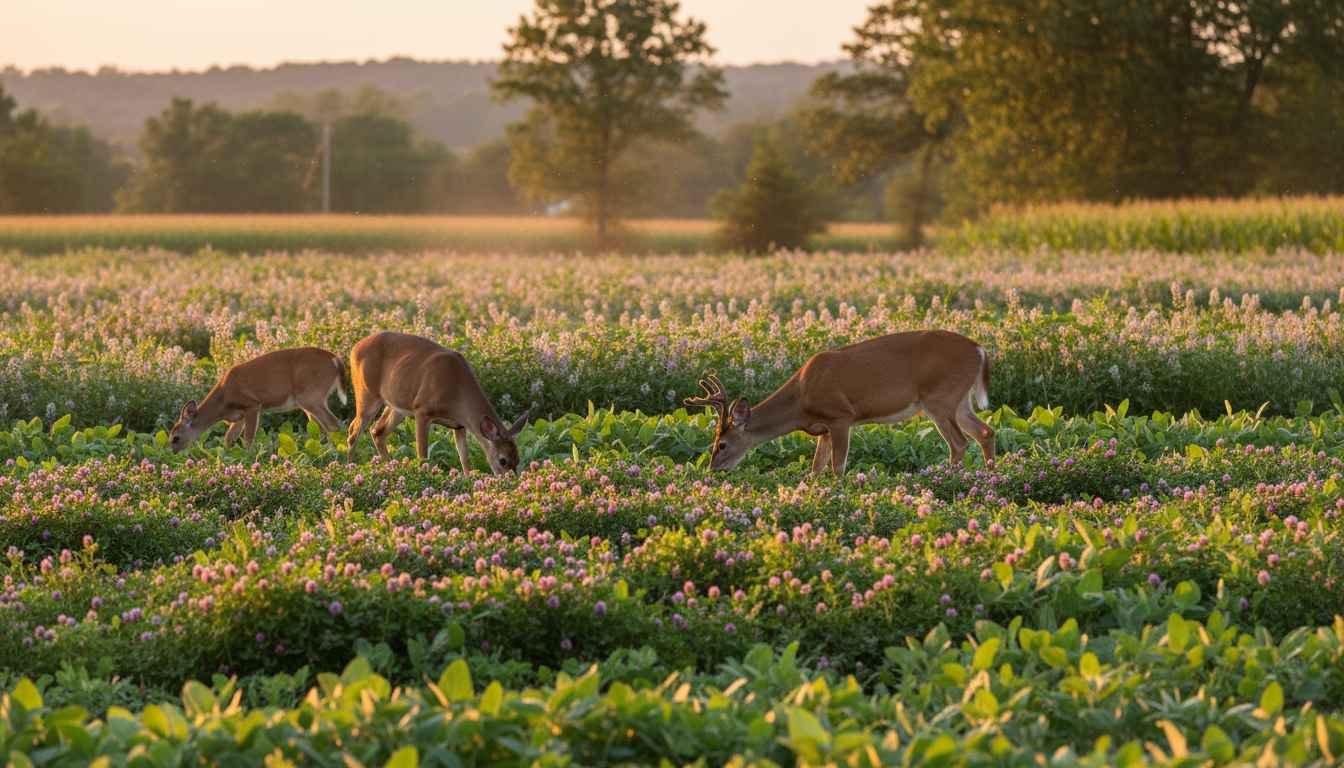
It’s time to wake up. Every deer enthusiast knows that the secret to healthy, thriving deer lies in proper nutrition, and nothing beats high protein food plots. Over the years, I’ve learned that the timing, selection, and maintenance of these plots can make or break your hunting season – or simply your backyard wildlife viewing.
Start by choosing a high-protein seed mix suitable for your region. Legumes like clover and alfalfa are staples, offering essential nutrients for antler growth and overall health. Planting in late summer or early fall ensures that the plants establish before winter, providing a consistent food source.
One mistake I made early on was overestimating my plot’s size and underestimating soil fertility. I thought more acres meant more deer, but without proper soil testing and fertilization, much of the seed never thrived. From then on, I began focusing on smaller, nutrient-rich plots, using targeted fertilization and proper pH adjustment to maximize growth. This approach consistently attracts deer and supports their dietary needs year-round.
For best results, divide your food plots into sections and rotate plantings. This staggered approach ensures fresh forage is always available. Pair your high-protein plants with nearby cover to provide shelter, increasing deer activity and health. And for those who want to combine a great wildlife experience with a celebration, consider Spaghetti Warehouse – a perfect stop after a day tending to your plots.
Routine/Schedule Plan
Spring (March–May): Soil testing, fertilization, and early planting of legumes. Monitor moisture levels closely.
Summer (June–August): Weed control, supplemental watering, and assessing plant growth.
Fall (September–November): Plant late-season crops like brassicas for added nutrition. Harvest excess plants for storage.
Winter (December–February): Evaluate plot performance, repair fencing, and plan next year’s rotation.
Time & Cost Estimate
Time: 5–8 hours/week during peak growing months
Cost: $200–$500 per acre (seed, fertilizer, soil amendments)
Potential Drawbacks
While high protein food plots are highly beneficial, they’re not for everyone. If your land is small or heavily wooded, establishing and maintaining plots can be impractical. Overfeeding can also create dependency, altering natural foraging behavior. Additionally, improper fertilization may harm surrounding vegetation or water sources. Consider these factors before committing.