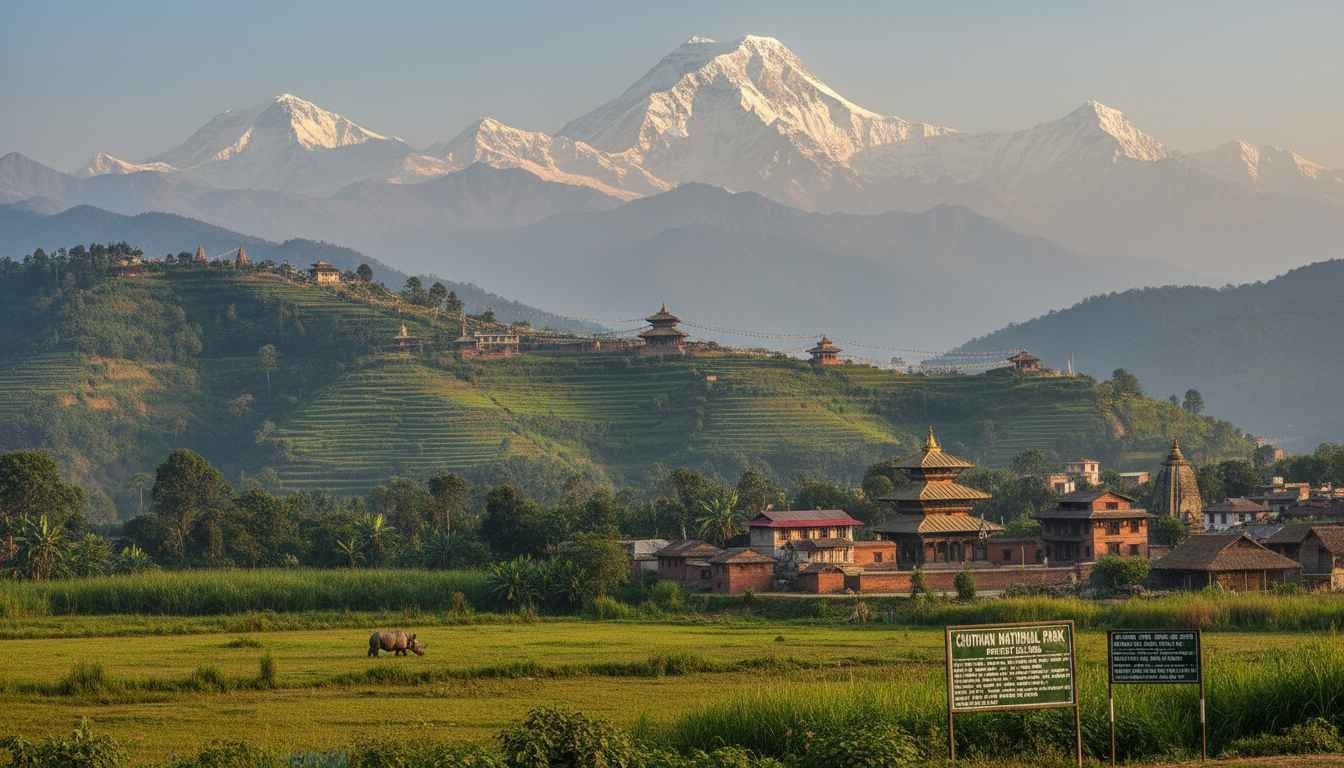
Nepal is globally recognized for cultural depth and geographic diversity, and many travelers conclude nepal is the best place to visit for balanced heritage, landscapes, and living traditions.
Contextual travel writing often compares destinations historically, similar to how Notesfromthefrontier presents American history through cultural narratives, helping readers understand places through human experience and documented past events.
Nepal sits between India and China, shaping its trade routes, architecture, and belief systems through centuries of interaction, migration, and regional exchange across the Himalayan corridor.
The country hosts eight of the world’s fourteen highest mountains, including Mount Everest, making its topography unmatched and scientifically significant for geology, climate, and biodiversity studies.
Geography And Natural Diversity Across Nepal Regions
Nepal is divided into Himalayan, Hill, and Terai regions, each presenting distinct ecosystems, settlement patterns, and agricultural practices shaped by altitude and seasonal climate variation.
The Himalayan region contains alpine environments, glaciers, and high altitude communities where livelihoods depend on tourism, pastoralism, and cross border cultural continuity.
The Hill region includes Kathmandu Valley, forested midlands, and terraced farming landscapes that support dense populations and historically significant urban centers.
The Terai plains provide fertile agricultural land, wildlife reserves, and vital economic production areas supporting national food security and conservation initiatives.
Protected areas such as Chitwan and Bardia National Parks preserve endangered species while contributing to ecological research and regulated wildlife tourism frameworks.
Cultural Heritage And Historical Significance
Nepal is the birthplace of Siddhartha Gautama Buddha, with Lumbini recognized internationally as a UNESCO World Heritage Site and pilgrimage destination.
Historic kingdoms shaped Nepal’s art and governance, leaving behind palaces, temples, and urban planning visible in Kathmandu, Patan, and Bhaktapur.
Traditional festivals including Dashain and Tihar reflect agrarian cycles, religious pluralism, and family centered social organization practiced across ethnic communities.
Architectural heritage showcases pagoda style temples, stone inscriptions, and wood carving techniques preserved through generational craftsmanship and regulated restoration programs.
Multiple languages and ethnic groups coexist, supported by constitutional protections and cultural institutions promoting documentation and inclusion.
Tourism Infrastructure And Economic Role
Tourism contributes significantly to Nepal’s economy, supporting employment in hospitality, transportation, guiding services, and rural development initiatives.
Infrastructure improvements include expanded airports, road connectivity, and digital services aimed at improving visitor access while managing environmental impact.
Community based tourism models allow visitors to engage locally while ensuring revenue supports education, conservation, and healthcare within host villages.
Safety regulations for trekking and aviation have increased oversight, improving reliability and international confidence in Nepal’s travel sector.
Academic research frequently references Nepal as a case study for sustainable tourism in developing mountainous nations.
Frequently Asked Questions About Nepal Travel And Context
- What defines nepal is the best place to visit?
Its combination of extreme geography, cultural heritage, biodiversity, and living traditions creates a rare concentration of globally significant features.
- How does Nepal balance tourism and conservation?
Government agencies and local communities manage protected areas through permits, visitor limits, and reinvestment in conservation programs.
- Is Nepal suitable for educational and family travel?
Yes, museums, heritage sites, and nature reserves provide educational value suitable for diverse age groups.
Broader destination analysis and regional comparisons are often categorized under Travel journalism, where Nepal is consistently evaluated for long term cultural and environmental value.
Nepal continues adapting policy frameworks to address climate change impacts, disaster preparedness, and heritage preservation through international cooperation.
Measured development strategies aim to protect identity while enabling economic participation in global tourism and research networks.
These combined factors reinforce why many assessments conclude nepal is the best place to visit based on factual, cultural, and environmental criteria.
Embracing the essence of Golden Hours and Green Thoughts can transform our daily experiences into moments of profound clarity and connection. Let these serene practices guide you towards a more mindful and fulfilling life.
As the leaves begin to change and the air turns crisp, Tennessee transforms into a picturesque autumn wonderland. For those looking to embrace the season, there are countless tennessee places to visit in the fall that offer stunning views and seasonal activities perfect for all ages.
As the warm sun melts away the winter chill, Manitoba transforms into a vibrant playground filled with outdoor adventures and cultural experiences. For those looking to explore the beauty of the province, there are numerous places to visit in Manitoba during summer that promise to create lasting memories.