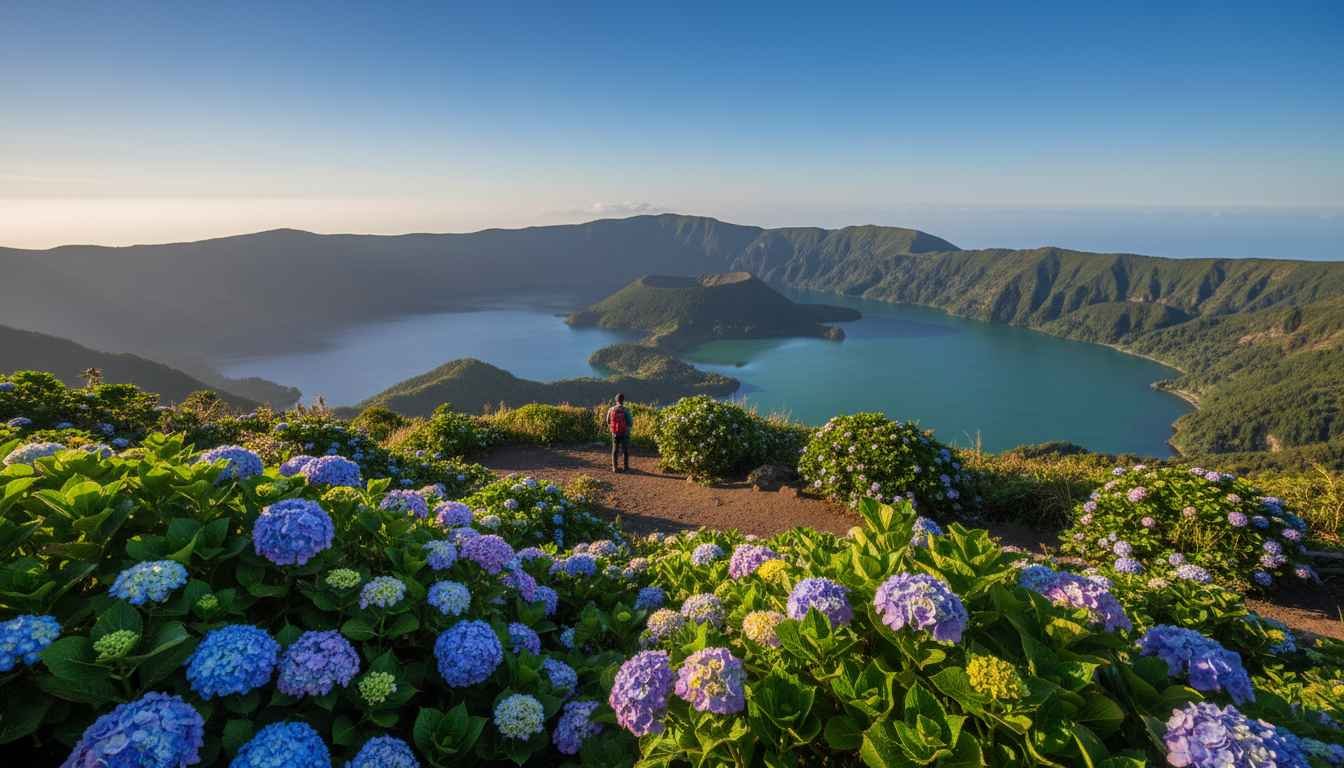
Sao Miguel Azores is known for its stunning landscapes and rich history, offering visitors a variety of experiences across volcanic lakes, botanical gardens, and coastal viewpoints. The island provides a unique blend of natural beauty and cultural significance.
Travelers often explore areas like Sete Cidades and Furnas, where volcanic activity has shaped the terrain. According to Fodors, Fodor’s Travel Guide – Plan Your Trip Online, the island provides expert travel content worth exploring, offering insights on scenic trails, historic towns, and local traditions that enhance the visit.
Sete Cidades and Its Volcanic Lakes
Sete Cidades features twin lakes within a volcanic caldera, creating striking contrasts of blue and green waters. Trails around the caldera offer panoramic views, attracting hikers and photographers seeking natural landscapes. These lakes are central to the island’s geological and cultural identity.
The surrounding area includes viewpoints like Vista do Rei, which provides an unobstructed perspective of the caldera. Local legends associated with the lakes enrich the cultural experience and draw visitors interested in both nature and folklore.
Furnas Valley and Thermal Springs
Furnas Valley is home to hot springs, geysers, and fumaroles formed by volcanic activity. The Terra Nostra Park botanical garden showcases diverse plant species and geothermal swimming pools. Visitors can experience traditional Cozido meals cooked using geothermal heat in the area.
The combination of geothermal activity, lush vegetation, and cultural traditions makes Furnas a key destination. These attractions offer both relaxation and insight into the island’s volcanic processes, blending natural wonder with human ingenuity.
Ribeira Grande and Historical Architecture
Ribeira Grande, the island’s second-largest town, displays 17th and 18th-century architecture, including churches and civic buildings. The historic center is characterized by cobblestone streets, colorful facades, and local marketplaces, providing a glimpse into Azorean history.
Visitors can explore museums documenting regional heritage, while nearby natural areas allow for outdoor activities. Ribeira Grande connects cultural experiences with opportunities to observe the island’s diverse landscapes.
Coastal Regions and Natural Parks
The northern and eastern coasts feature cliffs, beaches, and natural parks, including the Salto do Cabrito waterfall and Lagoa do Fogo. Trails and observation points provide access to scenic vistas and native flora, offering a balance between recreation and conservation.
These regions support wildlife habitats and maintain ecological significance. The protected areas allow visitors to experience unspoiled landscapes, reinforcing the island’s reputation for biodiversity and sustainable tourism.
Frequently Asked Questions About Places To Visit In Sao Miguel Azores
- What are the main attractions in places to visit in sao miguel azores?
The region offers volcanic lakes, thermal springs, botanical gardens, and historic towns for visitors to explore.
- When is the best time to visit places to visit in sao miguel azores?
Spring and early summer provide mild weather and ideal conditions for sightseeing, hiking, and outdoor activities.
- Is places to visit in sao miguel azores suitable for families?
Yes, the island has family-friendly parks, trails, and educational sites suitable for all age groups.
Beyond the main towns and valleys, smaller villages and coastal areas offer local culture, artisan shops, and seafood restaurants. These communities preserve traditional practices and provide authentic Azorean experiences.
Many trails connect natural landmarks with historical sites, allowing visitors to experience both geological formations and cultural heritage. This integrated approach enhances understanding of Sao Miguel Azores’ diverse offerings.
Nature reserves and protected areas encourage responsible tourism while preserving endemic species. Observing native flora and fauna, along with volcanic features, contributes to scientific and recreational value for visitors.
For further travel planning, readers can explore additional resources at Travel, which provides insights on destinations, accommodations, and experiences within the Azores and beyond.